Brand Files Explained: What to Use and When
When you receive your brand files, it’s common to see a mix of formats and colour codes: CMYK, RGB, HEX, JPG, PNG and PDF.
It can feel a little technical at first, but each one plays an important role. Using them correctly helps keep your branding consistent across everything you create, from printed materials through to your website and social media.
CMYK Values (For Print Design)
CMYK values are used for print production. They represent the percentage of Cyan, Magenta, Yellow and Black ink used to create a specific colour.
When producing printed materials such as business cards, brochures, packaging or signage, these values guide ink application so your colours print as close as possible to your approved brand palette.
RGB Values (For Digital Design)
RGB values are designed for digital environments. They define how colours appear on screen using Red, Green and Blue light.
These are the values to use across your website, social media, presentations and any other digital platforms to keep your colours looking consistent online.
HEX Codes (For Websites & Design Platforms)
HEX codes are primarily used in web design and digital platforms. They provide a precise reference for your colours.
You’ll often use HEX codes when working in website builders like Squarespace or Shopify, or in design tools like Canva, to make sure your colours stay consistent across all digital touchpoints.
JPG Files (For Web & Social Media)
JPG files are ideal for everyday digital use. They’re compressed, which means they load quickly and are easy to upload and share. They don’t support transparent backgrounds and are great for general use where transparency isn’t needed.
PNG Files (For Transparent Logos)
PNG files are best used when you need a transparent background. This allows your logo to sit cleanly over different colours, images or layouts without a visible box behind it.
They’re commonly used for website elements, social media graphics and overlays.
PDF Files (For Print & High-Quality Use)
PDF files are typically used for print or when a high-quality, fixed format is needed.
They’re often supplied in CMYK and are high-resolution, making them suitable for professional printing and situations where clarity and consistency matter.
Why Using the Right Brand Files Matters
Using the correct file types and colour formats helps your brand appear consistent and professional across every touchpoint.
It’s often these small details that make the biggest difference, ensuring everything feels cohesive, considered and aligned, whether it’s printed or viewed on screen.
Creating & Exporting Your Brand Files
Whether you’re creating your brand yourself or working with a brand designer or graphic designer, it’s important to make sure you have the right file types and formats from the beginning.
Having a complete set of files across both print and digital formats means your brand can be used confidently and consistently, no matter where it appears.
The formats outlined above cover the essentials and having access to all of them will save time and avoid issues later on.
A Note on Brand File Delivery
If you’ve ever opened your brand files and felt unsure what to use, you’re not alone. Having the right formats is one thing, knowing how to actually use them is another.
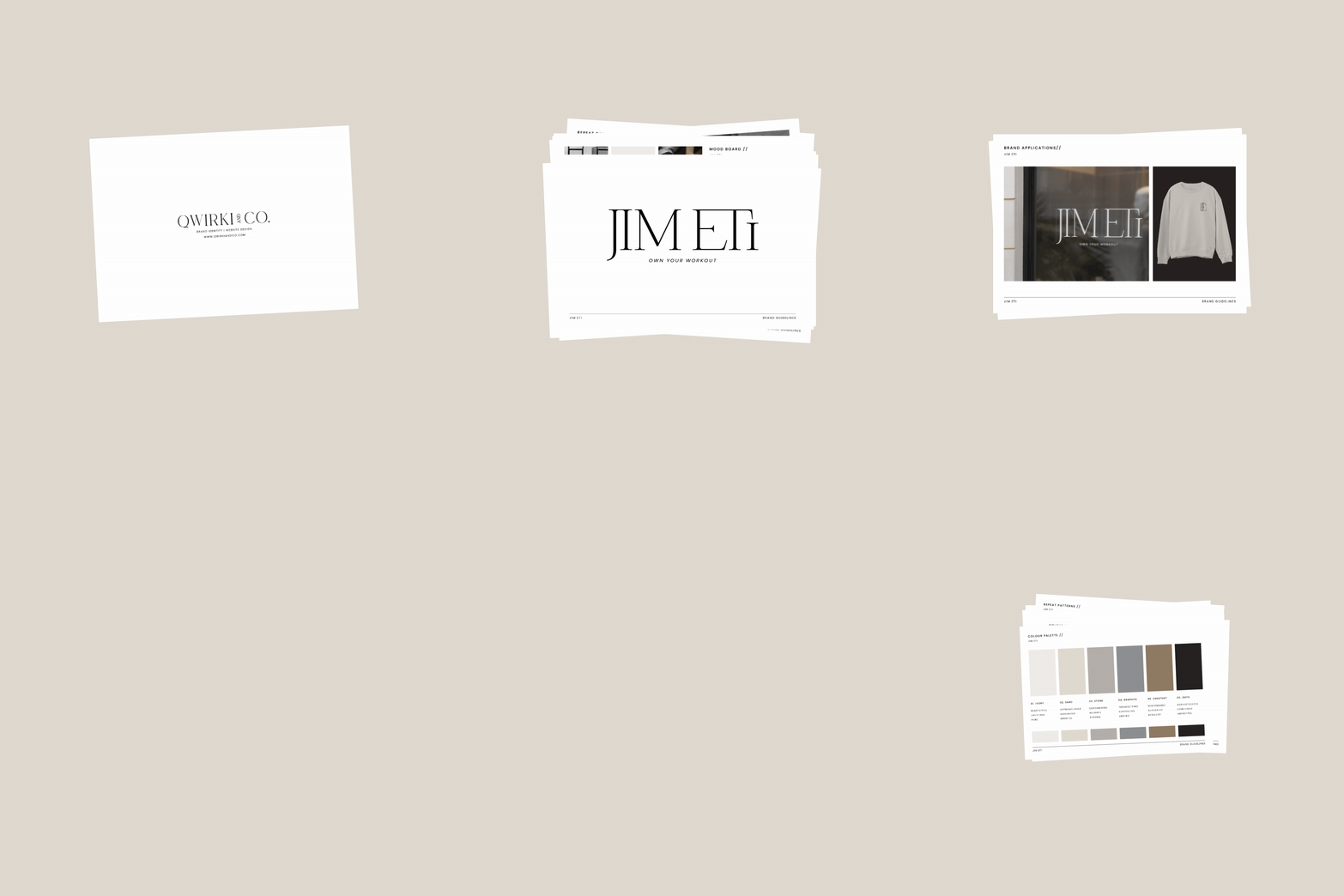
A well-prepared brand file suite should include everything you need for both print and digital, along with clear guidance so you’re not second-guessing which file to use or when.
That’s where brand guidelines come in. They’re there to make things easier, helping you apply your assets consistently across your website, social media and printed materials.
It’s something we place a strong focus on within our own projects, so you feel confident using your brand wherever it needs to show up.
CONTACT US